
“You should talk to these guys.”
Serving Clients Nationwide Since 1979
Invoice factoring for Seattle, King County, Seattle-Tacoma, Puget Sound, and Washington businesses that bill B2B customers on terms.
(also called accounts receivable factoring or receivables factoring)
Orange Commercial Credit is an independent, privately held nationwide direct factoring company headquartered in Olympia, Washington. We work directly with Seattle and Washington businesses that bill other businesses on terms.
We buy approved unpaid invoices for trucking, staffing, manufacturing, and other B2B companies so you can get paid before your customer’s 30, 60, or 75-day terms end.
After account setup, customer approval, invoice verification, and required backup, we usually send the advance within 24 hours.
Before you decide, we show the numbers in writing: the advance, any reserve, the fee, and funding timing.
A factoring company buys approved unpaid B2B invoices so a business can get paid before its customer pays on terms.
When you search for Seattle factoring companies, the results can answer two different questions: Which companies have an office in or near Seattle? And which factoring companies serve Seattle businesses?
A map helps answer the first question. It shows nearby locations. It does not show every factoring option available to a Seattle business.
So before you narrow the comparison to nearby offices, it helps to know whether a Seattle office is actually necessary.
No. A factoring company does not need a Seattle office to factor approved invoices for a Seattle business. If meeting in person matters to you, a local office gives you that option.
The review itself centers on the customer and the work behind the invoice. Customer approval starts with commercial credit review and payment-history information. At Orange Commercial Credit, our credit managers use national commercial credit databases to review your customer. We also verify the invoice and the backup paperwork tied to the completed work. None of those steps requires a Seattle office.
A Seattle carrier may haul port freight, intermodal freight, drayage, or container loads through the Port of Seattle, Port of Tacoma, or Kent Valley warehouses. A staffing company may fill warehouse, logistics, maritime support, healthcare, IT, or office roles across Seattle and Puget Sound. Manufacturers may complete orders for distributors, original equipment manufacturers, maritime customers, aerospace customers, or other commercial accounts.
Current Seattle results include downtown office pages, Dexter Avenue and Elliott Avenue Places listings, Washington-wide providers, small-business factoring pages, freight and staffing specialists, ranking pages, factoring directories, matching or referral services, and national providers serving Seattle businesses.
Those results do not all represent the same kind of provider. Compare who buys the invoice directly, which industries the company specializes in, and who answers your questions after setup.
Orange Commercial Credit buys approved invoices directly. We specialize in trucking and freight, staffing companies that need payroll funding, and manufacturers. We also review approved invoices from other B2B businesses, including logistics, warehouse, maritime support, industrial, technology-related, office-service, and commercial-service companies. After setup, you work with a dedicated account executive backed by an experienced team. One customer and one invoice can start the review.
You may have heard about us from a friend, or you may be comparing Seattle factoring companies after a search. However you got here, the pressure is usually the same.
You need the money before your customer pays on
30, 60, or 75-day terms.
The work’s already done. The invoices are out. And your bills are piling up while you are left waiting.
Trucking. Staffing. Manufacturing.
Different work. Same wait.
Your customer wants 30, 45, or even 60-day terms. To win the business, you agree. No matter the terms, you still have bills to pay.
Payroll, fuel, insurance,
materials, equipment, repairs...
The bills keep coming while you wait out those terms. You can put expenses on a card while you wait, but the card bill comes due long before your customer pays.
Wait too long and you’re the one
stuck with late fees or interest.

That pressure is why the lowest advertised rate is not enough. Before you choose, compare what each company will put in writing for one real customer and one real invoice.
When comparing Seattle factoring companies, you may see claims about offices, map listings, reviews, and ratings. Other claims describe advance rates and credit-line size, approval and funding speed, or fees and setup fees. You may also see selective or no-minimum terms, recourse or non-recourse terms, carrier services, and customer-payment instructions.
Current Seattle search results describe advances from 80% to 95%, with one provider page advertising up to 97%; funding within 24 to 72 hours; three-to-five-day setup; general fees from 1% to 5%; and advertised rates from 0.69% to 1.59%.
Seattle search results can also include accounts receivable financing, payroll funding, purchase-order funding, asset-based lending, equipment financing, supply-chain finance, import/export finance, and working-capital loans.
Those offers do not all describe the same product or the same stage of approval or funding. Before comparing rates, identify who funds the invoice and what the written quote says for your customer and invoice.
Healthcare staffing invoices and third-party medical receivables are different categories. Orange Commercial Credit generally excludes third-party medical receivables.
After you confirm the industry fit, compare the complete written cost, not only the lowest advertised rate. Ask what invoice volume, customer-payment timing, minimums, and other charges the rate assumes.
The written numbers are what let you compare the quote without guessing.
With Orange Commercial Credit, you won’t have to chase three people to find out what’s happening with your invoice. After setup, you work with a dedicated account executive who knows your business and paperwork, backed by an experienced team.
One freight carrier described that account relationship this way:
“She has been a vital part of our ability to navigate our freight business, and is always there when we need her.”
—freight carrier client for several years
Account support is one part of the comparison. Use the table below to check the claims you see in search against the written quote before you decide.
Seattle-specific figures below come from the search findings on this page. Other rows are general comparison questions, not claims about a particular Seattle provider.
| What you see in search | What to check before you choose |
|---|---|
| “Top-rated,” “highly rated,” “prominent,” “well-regarded,” “trusted,” “leading,” “prestigious,” “best overall,” or a “massive name” | Who made the claim, whether the proof is independent or provider-authored, how many recent reviews support it, what the rating or ranking actually measures, and what the written quote shows for your customer and invoice. |
| Seattle office, nearby office, local phone number, map listing, reviews, or ratings |
Whether the address and company relationship are current, whether the location is a real operating office, the legal company name, who funds the invoice, whose agreement you sign, and who services the account.
Also confirm who reviews the customer, invoice, and required backup, and who sends the advance. |
| Family-owned, family-managed, second-generation, privately held, longstanding, or experienced providers | Who owns and manages the company now, what the history proves about the service you will receive, and whether the current agreement, pricing, minimums, and account support fit your business. |
| Personalized service, localized credit approval, a dedicated account team, relationship-driven service, or collections support | Who is assigned to the account, who reviews customer credit, who contacts the customer, what “collections” includes, what the added service costs, and who answers after setup. |
| Approval based on your customer’s creditworthiness rather than only your own credit history | What commercial-credit and payment-history information is reviewed, and whether your own credit, liens, pledged invoices, financials, time in business, or other account requirements still affect approval or setup. |
| Quick approval or fast digital approval | Whether the timeline refers to an application response, preliminary review, customer approval, the full account setup, or approval of a specific invoice. |
| Funding within 24 to 72 hours or three-to-five-day setup | Whether the timeline refers to the actual advance after account setup, customer approval, invoice verification, and required backup review, and what other conditions the provider puts in writing. Separate that from an application response or preliminary approval. Confirm the cutoff and bank timing. |
| Advance from 80% to 95%, or up to 97% on some provider pages |
What the specific customer and invoice qualify for, whether a reserve applies, what fee applies, and whether the percentage is an advertised maximum rather than the advance shown in the written quote.
Ask for the account’s written advance, not only the advertised maximum. |
| Advertised rate from 0.69% to 1.59%, or general fee range from 1% to 5% |
How the fee is calculated, what customer-payment period and invoice volume the number assumes, whether the fee changes over time, and what transfer, due-diligence, portal, termination, or other charges can apply.
Ask what invoice volume, industry, and customer-credit profile the advertised rate assumes, and whether the fee is flat or changes over time. |
| No upfront fee, no application fee, no startup fee, no setup fee, or zero application fees | Which fee is actually waived, whether due-diligence, closing, documentation, transfer, portal, or other charges remain, and where every charge appears in writing. |
| No monthly minimums, no hidden minimums, or no minimum wording | Whether the claim refers to invoice count, monthly dollar volume, minimum fees, customer concentration, or a requirement to submit invoices from certain customers. These are different terms and should be written separately. |
| Credit lines, facilities, large funding limits, or cash-flow lines | Which product the range applies to, whether the number is the total account facility or the advance on one invoice, what minimum and maximum apply, and what collateral, reporting, or agreement terms come with the offer. |
| Spot, selective, no-minimum, or no-long-term-contract wording |
The agreement length, renewal terms, notice required to end it, invoice choice, minimums, what happens to open invoices, and what the agreement says about ending the account.
Confirm whether one invoice can be reviewed and whether you choose which approved invoices to submit. |
| Digital-forward processing, online approval, online invoice submission, 24/7 reporting, an app, or portal access | Which parts of the application, invoice submission, approval, reporting, and account service are online, what information the portal shows, and whether a person answers when a customer, invoice, or payment question comes up. |
| Small-business factoring, small-to-midsize business fit, growing companies, or customized programs | What invoice volume, customer mix, industry, time in business, paperwork, facility size, minimums, and approval conditions the stated fit assumes. |
| Freight bill, transportation, trucking, logistics, carrier, or owner-operator specialization | Whether the broker or shipper can be approved, whether the rate confirmation, bill of lading, proof of delivery, and other load paperwork support the invoice, and whether fuel cards, load boards, payments tools, or other carrier services change the fee or agreement. |
| Staffing, healthcare staffing, manufacturing, distribution, or general B2B specialization | Whether the provider buys the invoice type you have and what customer approval, approved timesheets, service agreement, purchase order, packing list, delivery proof, or other backup is required. |
| Accounts receivable financing, invoice factoring, payroll funding, purchase-order funding, asset-based lending, equipment financing, invoice discounting, or another cash-flow line | Whether the company buys an existing invoice or lends against receivables, equipment, inventory, purchase orders, or other assets, and what repayment, collateral, reporting, timing, and agreement terms apply. |
| Recourse or non-recourse factoring wording |
Ask what the written agreement says the recourse or non-recourse label covers, what is excluded, what happens after a dispute or short pay, and when the business could still be responsible.
Ask whether an unpaid invoice must be replaced or repurchased under the written agreement. |
| Customer-payment, payment-instruction, or collections language |
Where the customer sends payment, what the customer sees, who answers a payment question, who follows up if payment is late, and what the written agreement says.
Payment-instruction language should agree with the payment process in the written quote and agreement. |
| Fuel card, fuel bundle, app, customer credit check, or other carrier-service offer | Whether the broker or shipper can be approved, whether the load paperwork supports the invoice, and whether the extra service changes the fee, minimums, invoice choice, agreement terms, switching terms, or account support. |
Seattle results can include downtown office pages, Dexter Avenue and Elliott Avenue Places listings, Washington-wide providers, small-business factoring pages, freight and staffing specialists, ranking pages, independent finance publishers, factoring directories, matching or referral services, and national direct factoring companies.
The table below separates those roles so you can verify who reviews the customer and invoice, whose agreement you sign, who funds the invoice, who services the account, and what the written quote shows.
| Provider or listing type | What it usually means | What to check before you choose |
|---|---|---|
| Seattle or nearby Washington office listing | May show a downtown Seattle, Dexter Avenue, Elliott Avenue, or nearby Washington address, local phone number, office hours, reviews, or a Seattle-specific factoring page. | The legal company name, who actually funds the invoice, whose agreement you sign, who services the account, and what the written quote shows. |
| Multiple company names tied to the same street listing or phone number | More than one company name may appear with the same address or phone number. The listing alone does not show whether each name represents a separate funding operation. | Verify the legal company name, actual funder, agreement, account servicer, and whether the quoted terms are different. |
| Family-owned, family-managed, second-generation, privately held, or relationship-driven factor | May emphasize ownership history, years in business, personalized service, a dedicated contact, shorter agreements, or flexible invoice submission. | Who owns and manages the company now and whether the agreement length, minimums, customer notice, invoice choice, fee, any reserve, and account support are written down before you sign. |
| Ranking page, independent finance publisher, directory, review site, or provider-authored “best” guide |
May rank or compare providers by office location, reviews, advance rate, fees, funding speed, industry fit, contract terms, software, or general qualifications without reviewing an invoice.
Also compare software integration and general qualification requirements. |
Who produced the ranking, whether the provider ranked itself, how current the information is, and which company actually reviews the customer and invoice, provides the quote, funds the invoice, and services the account.
Check the listed company against your actual customer, invoice, paperwork, minimums, any reserve, payment-instruction needs, and account-support needs. |
| Broker, marketplace, matching service, or advisory company | May collect your quote request and pass your information to one or more factoring or finance companies instead of reviewing and funding the account directly. |
Which company reviews the customer and invoice, provides the quote, funds the invoice, and services the account after setup.
Ask how the intermediary is paid and whose agreement you sign. |
| National independent direct factoring company serving Seattle | Reviews the customer and invoice and services the account directly without requiring a Seattle office visit. The factor sends the advance and receives the customer’s payment. |
Whether one customer and one invoice can start the review and whether the advance, any reserve, fee, and timing are shown in writing. Include payment instructions, funding timing, agreement terms, invoice choice, and account support in the comparison. |
| Freight, trucking, transportation, or logistics factoring provider |
May focus on carriers, owner-operators, brokers, shippers, rate confirmations, proofs of delivery, bills of lading, freight payments, fuel programs, mobile apps, load boards, or other carrier tools. Some carriers want those services bundled with factoring; others mainly want the factoring terms and account service spelled out clearly before they decide.
For Seattle carriers, ask about port freight and drayage paperwork. |
Whether the broker or shipper can be approved, whether the load paperwork supports the invoice, who provides each added service, and whether it changes the fee, minimums, invoice choice, agreement terms, or account support.
Include switching terms when you compare extra services. |
| Staffing factoring company or payroll funding provider |
May focus on staffing invoices, healthcare staffing, approved timesheets, weekly payroll, payroll processing, back-office administration, onboarding tools, or timekeeping software.
Some offers also list back-office support and tax filing. |
Whether the service is invoice factoring, payroll processing, back-office administration, or another product with different costs, minimums, responsibilities, and agreement terms. |
| Digital-first or online factoring provider | May emphasize digital approval, online invoice submission, accounting-software connections, apps, portal reporting, or 24/7 account access. | What is actually approved online, what information the portal shows, whether the fee and any reserve are explained, and whether a person answers after setup. |
| Software-connected or accounting-platform factoring company | May connect with accounting software or online invoice tools and focus on application flow, invoice submission, or platform integration. | Whether the customer can be approved, the invoice can be verified, the fee is clear, any reserve is explained, and a person can answer after setup. |
| Manufacturing, distribution, industrial, or general B2B factoring provider | May focus on manufacturers, suppliers, distributors, machine shops, warehouse companies, business-service firms, industrial companies, or other B2B invoices tied to completed work. | Whether the customer can be approved, whether the invoice can be verified, and whether the purchase order, packing list, delivery proof, bill of lading, work ticket, or signed quality-control paperwork supports the invoice. |
| Technology, IT, office-service, or commercial-service factoring provider | May focus on B2B service companies, IT staffing, technology vendors, office-service companies, or commercial service businesses with customer contracts and recurring invoices. | Whether the customer can be approved, whether the service invoice can be verified, and whether the service agreement, purchase order, work ticket, or customer approval supports the invoice. |
| Construction, contractor, medical receivables, consumer-finance, equipment-finance, agricultural, or purchase-order funding provider | May offer invoice factoring, but may also offer a different finance product or work with a different type of receivable. | Whether the offer buys approved unpaid B2B invoices for completed work or uses different collateral, repayment, reporting, customer-notice, and exit terms. |
| Bank-backed, secured-loan, asset-based, purchase-order, equipment, invoice-discounting, or other commercial-finance provider |
May offer invoice factoring, a receivables-backed loan, asset-based lending, equipment financing, purchase-order funding, invoice discounting, inventory finance, or another cash-flow line.
A secured-loan or working-capital product may create a different financing obligation. |
Whether the company is buying an existing invoice or lending against receivables or other assets, and what collateral, repayment, reporting, timing, and agreement terms apply.
Check payment-instruction and exit terms as well. |
Orange Commercial Credit is a national independent direct factoring company serving Seattle and Washington businesses.
Here is what that means for the invoice you want to factor.
The details matter because the rate alone does not tell you what happens before funding or after your customer pays. A written quote should show the customer review, invoice review, advance, any reserve, fee, payment instructions, funding timing, agreement terms, invoice choice, and account support.
At Orange Commercial Credit, we buy approved invoices for work you’ve already done. We’ve provided invoice factoring since 1979.
Through recessions, slow seasons, and the ups and downs of every business cycle, Orange Commercial Credit has kept clients funded so payroll, fuel, and repairs get paid even when your customers’ payments are still weeks away.
You send us your customer's invoice and once it's approved, we send you most of the money up front.
This up-front payment is called an advance. Depending on your industry, it can be as high as 98% of the invoice.
When your customer’s payment posts to our bank, any available reserve releases under the written agreement terms, minus the factoring discount fee, which can range from 1.25% - 5%.
You choose which invoices to sell. Use it when you need it, skip it when you don’t.
We’ve been through decades of change, but one thing never changes: your bills don’t stop. That’s why your money shouldn’t wait.
Over the years we’ve worked with trucking companies, staffing firms, service providers and manufacturers just like you. Many have been with us five years or more.
They stay because the money’s there when they need it and because they value the service they receive.
They have one dedicated account executive who is backed by an experienced team ready to answer all their questions.
Most of our business comes from referrals. Our clients refer because they know their friends will get the same service they do.
A produce hauler told us what it feels like working with OCC:
“We love OCC! They have taken care of us since 2021. We have the pleasure of working with our account rep. She is such a big help. Always quick to respond to any questions or inquiries we may have. She is always available and I know that I can always count on her. She’s the best! Quick payment, great rates, excellent communication. A trusted company. Highly recommend.”
—Mariya, Owner-Operator, Produce Hauler
A trucking owner told us how she first came to OCC:
“I turned to my friend Mike for advice and he referred me to his factor… OCC. She reviewed my paperwork and explained step by step what I needed to do including outlining who to contact, what numbers to reference and what I needed to ask.”
—Alyssa, Owner, Long-Haul Trucking Company
With us, even if your customer pays on 30, 45, or 60-day terms, you’ll have the cash in your account; usually within 24 hours of invoice approval once you’re established as a client.
Trucking, staffing, and manufacturing companies in
Seattle and across Washington use us when the wait gets too long.
One customer. One invoice. One call.
Call with one customer name and one invoice in mind. We’ll tell you what paperwork we need, review whether the customer can be approved, and show the advance, fee, any reserve, and timing before you decide.
You get a person, not a menu:
1-800-231-3878
The only way this works is if your customer’s good for it. That’s why our credit check matters.
We’ve been doing this since 1979, and many of our credit team members have been here 10+ years. They know how to check credit right.
We focus on getting you paid faster on approved invoices.
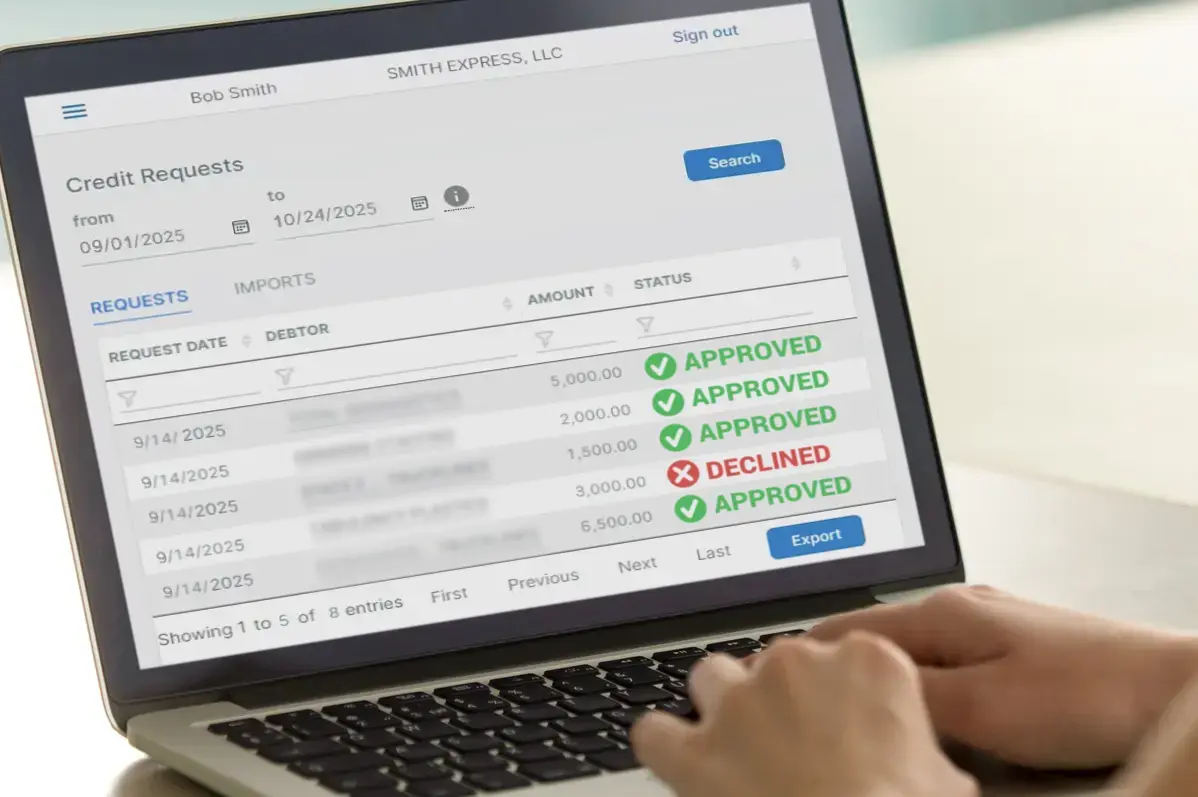
It’s one thing to hear you’ll get paid...
Here’s what happens, step by step, from the time you send an invoice until the final payment clears.

In invoice factoring, the first thing we do is check your customer’s credit. We pull their payment history up front, even before you send us an invoice, because that’s how we decide if we can buy the invoice from you.

Once they're approved, you send an invoice, and our team then reviews the supporting paperwork that goes with it.
Once your customer is approved, the invoice is verified, and your account is set up, the written payment instructions show where your customer sends payment.
The work you did and the price on the invoice stay the same.

The last step is the advance, the part you care about most.
That’s when we send the advance.
On every funding you’ll see:
For some industries, we can advance up to 98% of the invoice within 24 hours. On a $10,000 trucking company invoice, that usually means $9,700 to $9,800 up front.
If a reserve applies, it is the portion of the invoice not included in the advance. Your written numbers should show whether there is a reserve and how it is treated under the agreement.
When your customer’s payment posts to our bank, any available reserve releases under the written agreement terms, minus the fee.
The discount fee depends on:
Whatever the case, we let you know the fee before you decide. No surprises.
That's how our factoring works.
Ready to see your numbers? You see the advance, any reserve, and our fee before you decide. Call and we’ll walk through one invoice on the phone:
1-800-231-3878
The difference with us? We’re independent so we can set your terms the way you need them.
We don’t answer to outside investors. We’re privately held with no board calling the shots. We’re business owners too.
Your terms come from us, and no one else.
We know what it takes to meet payroll and keep the lights on. And we also know that every business is different. We don't drop numbers into a formula.
We base terms on what we see in your invoices and your customers, not on a one-size-fits-all chart.
One flatbed hauler said it best:
“It doesn’t matter if you bring $1 or a million, I guarantee you these people will treat you as a family member. We will always see these people as a great place for financial support and great customer care.”
—Rico, Flatbed Hauling
In the end, it comes down to trust. Who do you want to rely on when the bills can’t wait? With us, it starts simple: pick one customer, one invoice, and make one call.
You’re probably asking: So how would this work in my business?
The answer depends on the work you do.
We don’t fund most types of construction, third party medical receivables or consumer invoices. But we have funded companies across more than 50 industries.
We fund invoices for work that’s already done. The goods are already delivered, but your customer’s on terms.
The real issue is when the wait drags well beyond 30 or 45 days.
Let's walk through a few examples in trucking, staffing, and manufacturing, the industries where this matters the most.
Trucking advances can be as high as 98% of the invoice.
Orange Commercial Credit provides freight factoring for carriers that have delivered the load and invoiced a broker, shipper, or other B2B customer. We buy approved freight invoices so carriers can have money for fuel, repairs, payroll, and other bills before the broker or shipper pays. Freight factoring is also called trucking factoring.
Trucking companies are Orange Commercial Credit’s largest client group. For Seattle, King County, Puget Sound, and Washington carriers, our team reviews broker credit and the invoice packet: signed rate confirmation, bill of lading or POD, invoice, and paperwork for extra charges such as lumper fees or detention.
If you are comparing trucking factoring companies or freight factoring companies, a fast-funding claim, fuel-card offer, app, load-board integration, or 24/7 funding headline does not show the full quote. Start with one broker or shipper, one delivered load, and the paperwork tied to that load.
The quote should show the advance, reserve, fee, funding timing, agreement terms, invoice choice, customer payment instructions, and who answers after setup.
Seattle and Puget Sound carriers may be hauling port freight, intermodal freight, drayage, or container loads through the Port of Seattle, Port of Tacoma, Terminal 18, Terminal 5, Harbor Island, SODO, the Duwamish corridor, Kent Valley warehouses, Tacoma, Everett, or Snoqualmie Pass. The useful question is whether the rate confirmation, bill of lading or POD, broker or customer approval, and funding timing match the freight invoice you need reviewed.
Ask whether the broker or shipper can be approved before you haul, what paperwork is needed after delivery, when the advance can go out, and how the reserve releases after the customer pays.
Also ask whether the factoring offer includes recourse terms, non-recourse wording, monthly minimums, invoice-submission fees, ACH or wire fees, app or portal fees, fuel-card terms, fuel-bundle terms, or switching terms.
If a factoring offer includes a fuel card, fuel bundle, mobile app, load board, dispatch service, 24/7 funding, or other carrier tool, ask whether that extra service changes the fee, minimums, invoice choice, agreement terms, switching terms, or who answers after setup.
The written numbers are what let you compare the quote without guessing.
Orange Commercial Credit factors approved invoices for carriers hauling many different types of freight. The paperwork can vary from one load to the next, depending on the customer, what was delivered, and any added charges.
Local and regional carriers may haul palletized freight, make multiple stops, or work with tighter delivery windows. Delivery records should show what was delivered and that the load was completed.
For full truckload freight moving between markets, common backup may include the rate confirmation, bill of lading, proof of delivery, and documents for any added charges.
Less-than-truckload and multi-stop freight can create more delivery records because one load may involve several stops. The required backup can vary by customer and invoice.
Temperature-sensitive loads may add temperature records, delivery documents, lumper receipts, detention approval, or other backup for added charges.
Specialized loads may require routing, permit, inspection, delivery, or added-charge documents in addition to proof of delivery.
Scale tickets, delivery tickets, job records, or other load-specific documents may support the invoice.
Bulk freight may rely on meter tickets, scale tickets, bills of lading, delivery records, or other documents showing what was delivered and accepted.
Hot shot and expedited freight still needs delivery records and any customer-specific backup required for the invoice.
For freight billed to a commercial defense supplier, the paperwork depends on the customer, the shipment, and the delivery requirements.
Seattle carriers hauling port, drayage, and intermodal freight may need interchange, terminal, or delivery records tied to the completed haul. The exact documents depend on the shipment and customer.
We work with all of them every day
and the story's always the same.
The load’s already hauled. The paperwork’s in. The only thing missing is the money in your account.
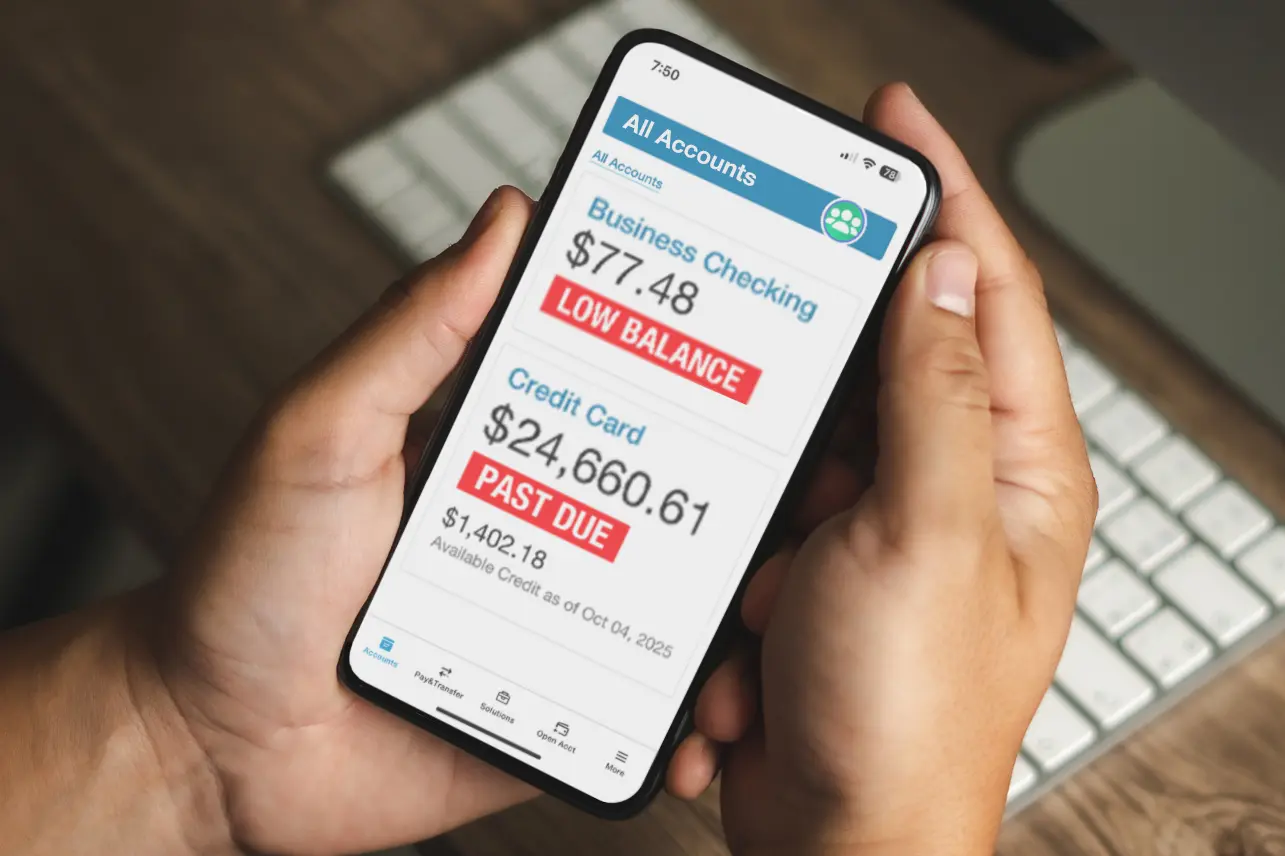
And the paperwork looks different depending on the job.
However you haul it, the wait is the same.
The load’s delivered, the paperwork’s in, and you’re still not paid.
Meanwhile, fuel, payroll, and repairs are due now. That’s when you sell us the invoice, and we send the cash.
You’ve seen the ads: same-day funding, fuel cards, mobile apps, even 24/7 payouts. That’s all fine.
So the real question is:
Will the money actually
be there when you need it?
After account setup, customer approval, invoice verification, and required backup, we usually send the advance within 24 hours.
And what about brokers?
You may not know if one’s been paying slow before you book the load.
That’s what our credit team does every day. We flag slow payers before you haul, so you don’t waste miles on a load that won’t pay.
We’ve been doing this since 1979. Many on our credit team have been here more than ten years.
That experience helps the team review the customer, invoice, and paperwork tied to the completed load.
Friday payroll comes due. Fuel card drafts this week. The truck note hits this month.
And the shop won’t release a truck until the repair’s paid. Plus, you need tires and have insurance renewals.
Carry a balance on your card, and the interest adds up.
Fuel bills spike, and drafts hit your account whether or not a broker’s check has cleared.
None of those bills wait.
You need to get paid.
If your runs are working Terminal 18 on Harbor Island and Terminal 5, you are moving through some of the main port lanes in Seattle. Terminal 5 covers 185 acres and can handle 18,000-TEU vessels, so gate pressure can build fast when bigger ship calls hit the harbor picture.
West Marginal Way SW and SW Manning Street are part of that same harbor picture when trucks are staging in and out of the gates. The Duwamish side can also pull in East Marginal Way S, 1st Ave S, and the Spokane Street Swing Bridge when industrial customers are moving along the river.
Hanford Street rail crossings and SoDo warehouse lanes can also affect the same local freight flow. Seattle says Spokane Street Swing Bridge openings last about 10 minutes on average, so a bridge opening can still narrow the delivery window at the wrong time.
Reefer and southbound runs can move through I-5, I-90, 4th Ave S, and SR 167 toward the Kent Valley. Eastbound freight can also keep moving through I-90 toward Snoqualmie Pass, the Tri-Cities, and inland export lanes.
WSDOT says Snoqualmie Pass carries about 28,000 vehicles a day, including about 5,600 freight vehicles, so eastbound runs can tighten up fast when pass conditions or chain-up rules hit the schedule.
Gate times and appointment times run the day. If the delivery window closes, the load waits.
You still have fuel to buy.
Payroll is Friday. Your customer is paying on 30, 60 or 75 day terms.
A fleet owner put it this way:
“Amazing people working at this company! Always a phone call away always eager to help and always getting the issues solved. Great % rates and overall great people starting from managers to accountants and assistants. Been working with them for over 4.5 years with no problems or complications what so ever.”
—Vitaliy, Interstate Freight Carrier
An intermodal freight fleet owner told us what OCC meant for his business:
“Orange Commercial Credit (OCC) was instrumental in our growth from the very beginning. They not only understand the trucking industry but also specialize in the intermodal and drayage business. The funding is quick, the relationships are deep, the rates are fantastic, and the trust earned is invaluable. I have been able to personally recommend OCC to many of our Clients over the past years and have always heard great feedback in return. Thank you OCC for your commitment and friendship. Clients like me really do appreciate it!”
—Michael S., President, Intermodal, Client since 2013
A long-haul carrier told us why the credit check matters:
“OCC is an exceptional factoring company! Not only do they help us with our invoices, but also advise us on broker credibility, ensuring that we are getting paid for our work. I would like to express my sincere appreciation to my AE for her prompt responses to my inquiries. It makes a real difference.”
—Tom A., Long-Haul Trucking
Tom’s quote shows what a fleet counts on with credit checks. But when it’s just you and your truck, it’s fuel, repairs, insurance, and the bills waiting at home. All on you.
Fuel card drafts hit every week. The truck note’s coming due. Add shop repairs and home bills. Waiting 30–45 days for a broker to pay just doesn’t cut it.
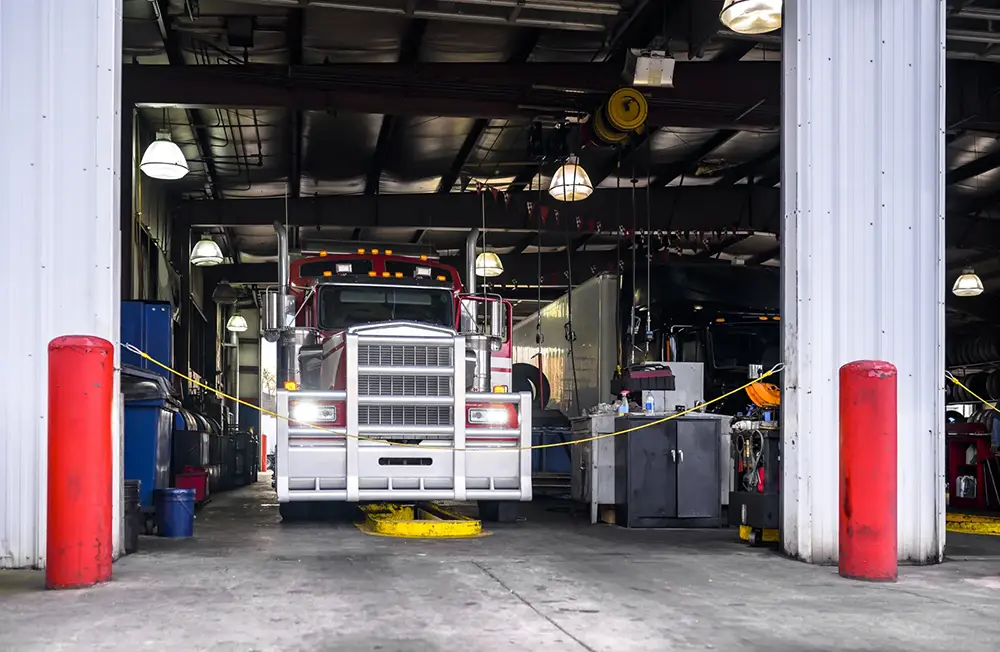
That’s why we usually send the money within 24 hours; so it’s there before the next bill hits.
Here’s how another owner-operator put it after using OCC for years:
“I'm a small carrier owner operator.
I've been using Orange Commercial Credit for about 4 years now and I couldn't be more happier with the service provided by OCC.
OCC is very fair with their rate and they pay out very quickly (next day).
Their staff is great, very professional and nice.
I recommend OCC for all carriers who need a factoring company.”
—Ezechiel, Owner-Operator, OCC client since their first load
Ezechiel’s an owner-operator, and the bills don’t wait any less when you’re hauling hot shot loads.
Hot shot runs are smaller, but the bills still stack up just as fast.
Whether you're in an F-350, a Ram, or a Duramax with a gooseneck or bumper-pull, one stretch of repair and fuel bills can drain your cash fast.
You could really use that new Big Tex tandem dual wheel, but trailer payments stack up fast.
And if a broker’s been paying slow, you hear it from us before you waste the trip, not later.
A hot shot driver explained why she sticks with OCC:
“Orange Commercial Credit is an excellent company to work with. They offer exactly what we need to run our trucking company, we always know what brokers are safe to work with due to Orange’s credit check feature. Staff is always friendly and helpful. I have never had a bad experience with our assigned Account Executive or any other staff member for that matter, the whole team is great!”
—Crystal, Hot Shot Trucking
You’ve done the work. You shouldn’t be waiting a month to see the money.
Most clients start with just one customer, one invoice, and one call to us. Even if you just have a question, call us. We'd be happy to talk with you.
If you’re running loads in or out of Seattle or anywhere in Washington, we can walk through one invoice on the phone: 1-800-231-3878
We’ve been checking broker and shipper credit since 1979.
Staffing advances can be as high as 90% of the invoice.
Orange Commercial Credit provides payroll funding for staffing companies through invoice factoring. We buy approved unpaid B2B invoices so staffing agencies can have money for payroll before customers pay.
If you are comparing staffing factoring companies or payroll funding companies, start with one customer, one invoice, approved timesheets, the service agreement or customer approval, and the written quote.
Seattle staffing firms may be filling warehouse, logistics, maritime support, healthcare support, industrial, security, technology, office, or event shifts while customers stay on 30, 60, or 75-day terms. The payroll pressure is local, but the review still comes back to the customer, invoice, approved timesheets, and written numbers.
Once the customer is approved, the invoice and timesheets are verified, and the account is set up, we usually send most of the money within 24 hours so payroll can stay on schedule.
If you run a staffing agency, payroll means two things: the recruiters in your office and the workers already out on site.
Timesheets get signed, checks go out every Friday, and customers may not pay for 30, 60, or more days.
The hours are already worked. Payroll’s due. The money isn’t in yet.

However you staff it, the work is done and you’re still waiting to get paid.
And it’s never just wages. You may also have:
Ask whether the customer can be approved, whether the timesheets support the invoice, when the advance can go out, whether a reserve applies, and how the reserve releases after the customer pays.
Also ask whether the offer includes recourse terms, non-recourse wording, monthly minimums, invoice-submission fees, ACH or wire fees, portal fees, background-check charges, payroll-processing charges, back-office charges, or switching terms.
If a payroll funding offer includes back-office support, payroll processing, tax filing, timekeeping software, onboarding tools, or recruiting support, ask whether that extra service changes the fee, minimums, invoice choice, agreement terms, switching terms, or who answers after setup.
The written numbers are what let you compare the quote without guessing.
Orange Commercial Credit factors approved invoices for staffing companies placing workers in many types of jobs. Payroll may be due while customers are still paying on 30-, 60-, or 75-day terms. The paperwork changes with the assignment. One invoice may rely on approved timesheets, while another may require different time records or backup tied to the work completed.
Production workers, assemblers, packers, machine operators, and other industrial placements can put workers on payroll before the customer pays the staffing invoice.
Pick-pack crews, forklift operators, shipping and receiving workers, inventory teams, and warehouse support staff may work shift after shift while the staffing company pays workers before the customer invoice is paid.
Welders, maintenance technicians, machinists, electricians, mechanics, and other skilled-trades placements may require credentials, site records, and approved time records to support the assignment and invoice.
Nurses, aides, medical assistants, and other healthcare staffing workers may need to be paid on schedule even when the staffing customer pays later. Healthcare staffing invoices are different from third-party medical receivables, which Orange Commercial Credit generally excludes.
Contract IT, network, software, data, and cybersecurity assignments may last for weeks or months, with several payroll periods passing before the customer pays the invoice.
Engineering support, quality, laboratory, technical, and project assignments may involve longer assignments, specialized approvals, and time records that support the invoice.
For technical, logistics, engineering-support, or supply-chain assignments with defense-connected commercial customers, clearances may affect the assignment. Approved time records and customer-specific paperwork support the staffing invoice.
Administrative support, clerical, call-center, customer-service, and office placements still put workers on payroll before many customer invoices are paid.
Accounting, finance, management, project, and other professional contract roles may continue across multiple payroll periods, with time records and customer invoices generated throughout the assignment.
If your staffing is focused on the SODO industrial district and the maritime support side of Interbay, you are filling some of the main warehouse, industrial, and port-support shifts in Seattle.
That hiring can also pull from South Park and Georgetown when crews are moving into the Duwamish M/IC and the East Marginal Way S side of the city. Seattle says East Marginal Way S moves thousands of trucks a day, so that same corridor can stay busy when workers are trying to get into shift.
The Spokane Street Swing Bridge is part of that same work picture when the river crossing affects how workers get into shift. Seattle says bridge openings there last about 10 minutes on average, so one opening can still tighten the commute at the wrong time.
If your crews are tied to Interbay, Fishermen’s Terminal and Terminal 91 are part of the same staffing draw. The 15th Ave W side can matter there when maritime, cruise, and industrial support work are all pulling from the same labor pool.
The 1 Line is also part of the Seattle commute picture for some workers, especially around SODO, Stadium, and Mount Baker. If a worker still has to transfer after the train, the last stretch into shift can decide whether the crew gets there on time.
Kent Valley hiring can also feed into the same broader labor draw when warehouse and production crews are coming north from Kent, Renton, or Auburn. When that commute stretches out, second-shift coverage can get harder to hold.
When a bridge delay hits, a train or bus transfer gets missed, or the Duwamish side backs up, workers can show up late and shift coverage can get thin fast.
If a shift isn't filled, the job doesn't happen.
You still have rent and insurance to pay.
Payroll is Friday. Your client is paying on 30, 60 or 75 day terms.
Without funding, some owners try to stretch their own payables or pay bills with credit cards. Others dip into personal savings, just trying to bridge the weeks until customers finally send payment.
A staffing owner explained how OCC let him take on more customers:
“I can always count on them. Orange Commercial has helped me take on clients I normally could not afford to take. The setup process with them was easy. They let you choose which clients you want to factor. Pricing is reasonable for the industry. Customer service is great and I can always count on them to send me funds when I need it.”
—George, Owner and Client Since 2016, Staffing Company
A staffing owner told us how OCC changed his cash flow:
“As a staffing company owner, I heavily rely on cash flow to keep my operations running smoothly and meet payroll, OCC's factoring process is incredibly streamlined and hassle-free. Their newly implemented online platform is user-friendly, making it easy for me to submit and track invoices. This new system allows me to receive funds quickly and efficiently, greatly improving my cash flow management. I highly recommend them.”
—Joe, Owner, Staffing Company,(Client since 2018)
And that’s how factoring works in staffing. A lot of owners call it payroll funding. Payroll runs every week, along with taxes, insurance, and benefits. With Orange Commercial Credit, the funds are there so checks go out on time.
You’ve made payroll. You shouldn’t be carrying it for weeks while customers take their time.
You send the invoice and approved timesheets; we review and send funds so your people get paid on time, even when customers take 30–60 days to pay you.
Most agencies start with one customer, one invoice, and approved timesheets.
We can review the customer, invoice, timesheets, and written numbers before you decide.
We advance on your staffing invoices so you can run payroll,
pay taxes, and cover benefits.
Manufacturing advances can be as high as 90% of the invoice.
For Seattle manufacturers comparing manufacturing invoice factoring, the comparison should start with the customer, invoice, purchase order, packing list, bill of lading, delivery proof, inspection record, or signed QC paperwork tied to the completed order.
Seattle and Puget Sound manufacturers may be buying raw materials, paying suppliers, scheduling shop work, shipping finished goods, or waiting on customer payment from distributors, OEMs, maritime customers, aerospace customers, or commercial accounts. For those invoices, compare the advance, reserve, fee, paperwork needed, and funding timing before the next supplier bill or payroll date.
If a search result mentions purchase order financing, asset-based lending, equipment financing, supply-chain finance, import/export finance, or a line of credit, ask what the money is tied to: a purchase order, finished goods, a verified invoice, equipment, inventory, receivables, or a larger credit facility.
Once the customer is approved, the invoice is verified, and your account is set up, we usually send most of the money within 24 hours so payroll, materials, and supplier bills can stay on schedule.
Staffing firms feel it every Friday. Manufacturers do too, just with different bills.

Yes. Purchase order financing, asset-based lending, equipment financing, supply-chain finance, import/export finance, and invoice factoring can all appear in Seattle manufacturing search results. The question is what the money is tied to: a purchase order, finished goods, a verified invoice, equipment, inventory, receivables, or a larger credit facility.
Purchase order financing may be reviewed before finished goods are delivered. Asset-based lending or equipment financing may depend on collateral, reporting, and larger credit terms. Invoice factoring starts after work is complete, the customer can be reviewed, and the invoice backup supports the bill.
Before you decide, ask which product is being quoted, what paperwork is needed, where the customer sends payment, and when any reserve can release.
If your manufacturing centers on the Georgetown metal shops and the fabrication yards along the Duwamish River, you are working some of the main industrial lanes in Seattle.
That work can also pull through East Marginal Way S, 1st Ave S, and the Duwamish M/IC when inbound metal, parts, and finished goods are moving between shops, rail, and port-side customers.
The Spokane Street Swing Bridge is part of that same freight picture when plant traffic has to cross between the maritime and industrial sides of the river. Seattle says bridge openings there last about 10 minutes on average, so one opening can still tighten the schedule at the wrong time.
Some of those orders also tie back to the Kent Valley and Auburn side through SR 167, where machine shops and suppliers can still feed aerospace, industrial, and precision-manufacturing work into Seattle.
Sea-Tac’s Sustainable Airport Master Plan is also part of the wider cargo picture now. The Port says the near-term SAMP program includes 31 projects, so some project freight is still sharing the same broader southbound lanes.
On the north side, work near Terminal 91 and Fishermen’s Terminal can also tie into maritime fabrication and marine-support orders. The Maritime Innovation Center is a 15,000-square-foot facility, and the Terminal 91 Uplands project adds about 400,000 square feet of industrial space to that same draw.
When a bridge crossing slows down, SR 167 freight backs up, or port-side traffic bunches up, inbound materials can show up late, outbound shipments can get pushed back, and the line can end up waiting on the next part or pickup.
If materials are late, the production line slows.
Power and utility bills keep running.
Payroll is Friday. Your customer is paying on 30, 60 or 75 day terms.
Orange Commercial Credit factors approved invoices for manufacturers and industrial suppliers across many types of production. A machining invoice may be backed by a purchase order and inspection record, while a packaging order may rely on a packing list and delivery receipt. The paperwork depends on what the customer ordered, what was delivered, and what the customer accepted.
Machining, welding, cutting, forming, fabrication, and assembly orders may be supported by purchase orders, work tickets, packing lists, delivery receipts, inspection records, or signed quality-control records.
Steel, pipe, tube, and fabricated-component suppliers may pay for material and shop labor before the customer pays the invoice. Purchase orders, work tickets, shipping documents, and delivery records can show what was produced and delivered.
Equipment parts, assemblies, repair components, and industrial systems may go through several production steps before shipment. Purchase orders, packing lists, inspection records, and delivery proof may support the completed order.
Manufacturers supplying aerospace or defense-connected customers may work from detailed purchase orders, part specifications, inspection records, packing lists, delivery documents, and customer acceptance records.
Manufacturers may pay for resin, rubber, fiberglass, other materials, labor, and freight before the customer pays. Purchase orders, production records, packing lists, and delivery proof may support the finished order.
Specialty chemical and industrial-material orders may rely on quantity records, shipping documents, delivery records, and customer acceptance showing what was supplied.
Pallet, wood-product, paper, corrugated, and packaging manufacturers may pay for lumber, paper, board, labor, and freight before customers pay their invoices. Purchase orders, packing lists, and delivery receipts may support the completed order.
Food processors and beverage manufacturers may pay for ingredients, packaging, labor, utilities, and delivery before the B2B customer pays. Purchase orders, packing lists, and delivery records can document the completed order.
Concrete products, stone, glass, mineral products, and other manufactured building materials may involve heavy shipments, delivery tickets, shipping records, and customer acceptance. OCC generally excludes most construction receivables, so the invoice still has to qualify as an approved B2B receivable.
Factory-built products, modular products, furniture, fixtures, and other finished goods may be supported by purchase orders, packing lists, shipping records, signed delivery receipts, or customer acceptance records.
Electronics, electrical parts, and technical components may be produced from detailed purchase orders and shipped with packing lists, serial-number records, inspection records, and proof of delivery.
Metal recycling, reprocessing, and other industrial material recovery may produce B2B invoices supported by weights, tickets, delivery records, and customer acceptance documents.
Suppliers want to be paid in 15 to 30 days. Customers take 45 to 60 days and sometimes longer. And they don’t release payment until every piece of paperwork lines up:
By the time you deliver and gather it all, you’ve already cut the checks weeks ago. And you’re still waiting on their payment.
And this is where factoring
helps in manufacturing.
You send the invoice with the paperwork. We review the customer, invoice, and backup. Once the customer is approved, the invoice is verified, and your account is set up, we usually send most of the money within 24 hours. You do not wait 45 to 60 days for your customer to pay before payroll, materials, and supplier bills can be handled.
A pallet manufacturer told us how OCC became part of their growth:
“I’ve been working with OCC for over 9 years now and they’re like a partner for me.
I could not have grown my business this quickly without them!
My account executive is great.
I get credit checks done same day on new business and have never had a complaint from any customer.”
—E.H., President, Pallet Manufacturer
A machine shop owner found that factoring with OCC was "very easy to work with":
“Finding out about OCC has helped keep my business operating with the cash flow I am now receiving. Within a day the money is in my account. During the whole process, OCC was very easy to work with. They made sure I was completely confident and work with me step by step, and the staff is very patient. I would recommend them to any business. Once you start with OCC, you will also be recommending them.”
—Val, Owner and Client Since 2017, Machine Shop
Whether it’s pallets, plastics, machining or food processing, if you’ve already delivered and sent the invoice, you don't need to be waiting 45 to 60 days for payment.
With us, you send the invoice with the backup. We review it and send the money; usually within 24 hours.
Bring one completed B2B invoice. We’ll show the advance, fee, any reserve, and timing before you decide.
Manufacturers in Seattle and across Washington use us when customer terms run long.
Trucking, staffing, and manufacturing are core Orange Commercial Credit industries, but we also factor approved invoices from other B2B businesses.
For these invoices, the goods or services need to have been delivered or completed. We review the commercial customer, the invoice, and the paperwork showing what was provided.
Orange Commercial Credit factors approved B2B invoices from oil, gas, and energy-service companies. Field crews may need to be paid, parts purchased, equipment rented, and travel covered before a commercial customer pays the invoice.
Field-service companies may invoice operators, contractors, industrial businesses, or other commercial customers after crews finish the work. Work orders, service tickets, field reports, or completion records may support the invoice.
Inspection, nondestructive testing, measurement, compliance, and technical-service work may be documented with work orders, service tickets, field reports, test records, or customer acceptance.
Equipment-service companies and parts or supply vendors may buy inventory or pay suppliers before their B2B customers pay. Purchase orders, packing lists, delivery records, or customer acceptance may support the invoice.
Maintenance and repair companies may pay technicians, buy parts, and send equipment or vehicles to the job before the customer pays. Work orders, service tickets, and completion records may document the finished work.
Engineering, project, and technical firms may invoice after a defined service is completed or a project milestone is accepted. The invoice may be supported by the agreement, work records, or customer approval of the completed milestone.
Different energy services can require different paperwork. Before you decide, compare the customer review, paperwork required, advance, reserve if any, fee, and funding timing in writing.
Orange Commercial Credit factors approved invoices from wholesalers, distributors, and B2B suppliers. These businesses may buy inventory, pay freight, and pay warehouse crews before the customer pays for the delivered goods.
A distributor may pay the supplier and freight bill, deliver the goods, and then wait for the commercial customer to pay. Purchase orders, packing lists, and delivery receipts may support the invoice.
Parts, tools, safety products, consumables, materials, and other commercial supplies may be sold on terms to recurring B2B customers. Purchase orders and delivery records can show what was ordered and received.
Distributors may pay suppliers, warehouse crews, carriers, and packaging costs before grocery, restaurant, and other commercial customers pay their invoices.
Equipment, replacement parts, components, and specialty products may be supported by purchase orders, packing lists, delivery records, and customer acceptance documents.
Warehouse, fulfillment, storage, and logistics companies may pay employees, equipment costs, insurance, and transportation expenses before their commercial customers pay.
Different products create different invoice backup. For wholesale and distribution factoring, compare the customer review, delivery or acceptance records, advance, reserve if any, fee, and funding timing in writing.
Orange Commercial Credit can factor approved B2B service invoices even when no physical product changes hands. A service company may pay employees and contractors for weeks of completed work before the commercial customer pays the invoice.
Managed IT, software, network, cybersecurity, data, system implementation, and other technology firms may invoice after recurring services are completed or after a project milestone is accepted.
Engineering, design, testing, quality, technical-support, and project-service companies may bill after completed work or an approved project milestone.
Consulting, management, training, research, and other professional firms may pay employees and contractors before the customer pays for the completed work.
Back-office, administrative, accounting-related, document-processing, and other recurring B2B service companies may invoice commercial customers after the agreed work has been completed.
Companies serving defense, aerospace, industrial, logistics, or other specialized commercial customers may bill for technical or professional work even when the business is not a trucking, staffing, or manufacturing company.
For B2B service invoices, compare what proves the work was completed, what paperwork supports the invoice, the customer review, advance, reserve if any, fee, and funding timing in writing.
Orange Commercial Credit factors approved invoices from many commercial and field-service businesses. Crews may finish the work while payroll, supplies, parts, vehicles, and equipment costs are already due.
Janitorial, facility-maintenance, grounds, and property-service companies may pay crews, buy supplies, and maintain vehicles or equipment before commercial customers pay their invoices.
Commercial security and site-service companies may pay guards and field crews each week while the contract customer pays the invoice later.
Repair, maintenance, installation, and field-service companies may buy parts, pay technicians, and send vehicles or equipment to the job before the commercial customer pays.
Telecom support, network field work, tower-related services, cabling, and other infrastructure work may be documented with work orders, completion records, and customer acceptance.
Orange Commercial Credit can also factor approved invoices from other recurring B2B service companies when the work has been completed and the invoice has supporting paperwork.
For commercial and field-service invoices, compare the customer review, completed-work records, paperwork required, advance, reserve if any, fee, and funding timing in writing before you decide.
Don't see your industry?
If your company delivers goods or completes services for another business and invoices that customer on terms, one customer and one invoice can start the review. We can review the customer and invoice and tell you what information is needed next.
Orange Commercial Credit generally does not factor most construction invoices, third-party medical receivables, or consumer invoices.
Here's another benefit to factoring
you may not be aware of:
If you’re a pallet manufacturer sending a quote, a distributor supplying parts, or a service firm chasing contracts, you’ve heard it:
“Can you give us Net-30?”
Sometimes Net-45. Buyers ask for it every day. And if you can’t offer it, they move on. With factoring in place, you can say yes without tying up your own cash.
Longer terms can:

Some answers below explain common factoring practice, because exact handling can vary by factoring company and written agreement. When we describe Orange Commercial Credit's own process or terms, we say so. For any account-specific term, the written quote and agreement are what matter.
Start here if you want to understand what gets reviewed, when you receive the advance, what happens when your customer pays, and what happens after setup.
What matters most is whether your customer pays, and whether the invoice is clear, verified, and for work that has already been done.
Things like tax liens or pledged invoices can slow things down, but we will talk it through with you.
If we can help, we will say so fast. If not, we will tell you that too. No guesswork.
Call us and we will go over one of your customer’s invoices together.
No. Invoice factoring is not a loan. You sell an invoice for work already done, so there is no new debt.
It is money your customer already owes. Factoring lets you get most of that money sooner, after the customer is approved, the invoice is verified, and your account is set up.
The process starts with completed B2B work, an invoice, and the backup paperwork tied to that work.
In factoring generally, the factor needs to understand the customer, confirm that the invoice represents completed work or delivered goods, and review the backup that supports the amount being billed. The exact review varies by factor, industry, customer, and invoice.
At Orange Commercial Credit, customer approval starts with commercial credit review and payment-history information. Our credit managers use national commercial credit databases. We also verify the invoice and the backup paperwork tied to the completed work.
That backup can look different by industry: trucking may use a rate confirmation, bill of lading or proof of delivery; staffing may use approved timesheets and the service agreement; manufacturing may use a purchase order, packing list, delivery proof, inspection record, or signed QC paperwork.
In factoring generally, the customer's payment completes the next part of the transaction. The factor accounts for the fee and any reserve or remaining balance according to the written agreement.
At Orange Commercial Credit, when your customer's payment posts to our bank, any available reserve releases under the written agreement terms, minus the factoring discount fee.
That is why the written numbers matter before you decide: they should show the advance, any reserve, the fee, and the funding timing for the invoice being reviewed.
Factoring agreements vary, so ask whether the provider requires all eligible invoices, all invoices from a customer, a monthly minimum, or allows selective invoice use.
At Orange Commercial Credit, you choose which invoices to factor; you do not have to factor every invoice. One customer and one invoice can start the review.
Customer approval, invoice verification, and the required backup still apply to the invoice you want reviewed.
No. You choose which invoices to sell. Most clients start with just one, like a $5,000 load that has already been delivered.
Most of our clients are trucking companies, staffing firms, and manufacturers. But we have funded companies across more than 50 industries.
The process works the same for any business that bills other businesses. Orange Commercial Credit does not fund most construction invoices, third-party medical receivables, or consumer invoices.
Seattle examples of where the work happens:
Trucking: Terminal 18 on Harbor Island and Terminal 5 runs, with reefer loads routed through the I-5/I-90/4th Ave S split and the Kent Valley via SR-167 out toward the Tri-Cities.
Staffing: Crews placed into SODO and Interbay roles, with workers pulled from the Kent Valley corridor. Some crews are tied to Fishermen’s Terminal and Terminal 91.
Manufacturing: Georgetown metal shops and Duwamish River fabrication yards, with suppliers and runs moving through the Kent Valley via SR-167, including aerospace parts coming out of Kent Valley machine shops.
At Orange Commercial Credit, our portal shows every invoice and payment: status, paperwork, and credit, so you always know where you stand.
You do not have to wonder
if a payment was posted right.
Your paperwork is handled by our team. Many have been here for years and know how invoice questions, payment questions, and paperwork questions usually get fixed.
At Orange Commercial Credit, you get a dedicated account executive. They know you, your business, and your paperwork.
You are not bounced from rep to rep re-explaining the same invoice. You talk to the same person who knows your account, your invoices, and the questions that need to be answered before money is sent.
A logistics company shared what their experience with OCC has been like:
“We have been with OCC for the last 3 years and have had a great relationship. OCC has been a very important part in our business. With their quick credit information on new prospect customers is the key to eliminate any accounting issues.
"We submit our invoices through their scanning program and are funded same day with no problems.
"We have not had any problems or complaints from our customers as they are very kind and professional to them.
"I highly recommend OCC if you are looking for a reliable and honest Factoring Company.”
—Mary, Operations/Accounting, Logistics Company
In many trucking searches, yes. Freight factoring, trucking factoring, transportation factoring, and freight bill factoring usually refer to the same basic arrangement: a carrier delivers a load, invoices a broker, shipper, or commercial customer, and sells the approved freight invoice to a factoring company instead of waiting for the customer to pay on terms.
The wording can vary, but the comparison is the same. Ask whether the broker or shipper can be approved, what paperwork is needed, what advance is offered, whether a reserve applies, what fee is charged, when funding can go out, and what happens when the customer pays.
In many staffing searches, yes. Staffing factoring, staffing invoice factoring, staffing agency factoring, and payroll funding often describe the same basic arrangement: the staffing agency completes the work, invoices the customer, and sells the approved invoice to a factoring company instead of waiting for the customer to pay.
The terms can vary by provider, but the comparison should start with the customer, approved timesheets, invoice, advance, any reserve, fee, payment instructions, funding timing, agreement terms, invoice choice, and who answers after setup.
No. Invoice factoring starts with completed B2B work, an invoice, the customer, and the backup paperwork tied to that completed work. A loan or line of credit may depend on your business credit, collateral, repayment terms, borrowing limits, and lender requirements.
If a Seattle search result advertises working-capital loans, equipment finance, purchase-order funding, asset-based lending, or another finance product, compare that offer separately from invoice factoring.
In an invoice factoring arrangement, the customer sends payment according to the factoring company’s written instructions.
That does not automatically mean the factoring company handles every dispute or collection task. Before you sign, ask who verifies the invoice, who answers payment questions, who follows up if payment is late, and who works through a dispute or short pay.
At Orange Commercial Credit, we verify the invoice and the backup tied to the completed work. The written payment instructions show where your customer sends payment.
The invoice amount and the terms you set with your customer do not change because of factoring. What changes is the payment instruction for where the customer sends payment.
We verify the invoice and the backup tied to the completed work. The written payment instructions show where your customer sends payment.
If something is missing from the invoice packet, the review may pause until the required backup is complete. After account setup, customer approval, invoice verification, and required backup, we usually send the advance within 24 hours.
Most of our team has been here ten years or more. They know the paperwork and can answer questions tied to the invoice.
Receivables factoring and accounts receivable factoring usually refer to invoice factoring. “A/R financing” or “A/R funding” can also describe a loan or credit line secured by receivables, so ask whether the company buys the invoice or lends against receivables. Orange Commercial Credit buys approved unpaid invoices.
Use these questions to help understand the written agreement, cost, reserve, payment timing, recourse, minimums, and add-on services.
There is no single industry rule. In factoring, the invoice normally remains outstanding until the customer pays or the invoice is otherwise resolved. What happens to the fee, reserve, recourse period, or other account terms depends on the factor's pricing structure and written agreement.
Before you sign, ask how the fee changes with payment timing, whether a recourse period applies, and what the agreement says happens if the customer is still unpaid after that period.
For an Orange Commercial Credit account, use the written quote and agreement for your actual terms rather than assuming a general factoring practice applies.
In factoring generally, a dispute or short pay is different from a customer simply paying slowly. The outcome can depend on why the customer disputed the invoice, what the supporting paperwork shows, and what the written recourse or non-recourse terms actually cover.
Some agreements may require the business to cure a dispute or take responsibility for an invoice that does not meet the agreement terms. Other credit-loss situations may be treated differently. Do not assume the words recourse or non-recourse answer every situation.
Ask what happens to the advance, any reserve, the fee, and the open invoice if the customer disputes the work, claims a shortage, takes a deduction, or pays less than the invoice amount.
Ask what type of customer nonpayment is covered, what happens after a dispute or short pay, whether an unpaid invoice must be replaced or repurchased, what minimums apply, which invoices you may choose, and what happens when the agreement ends.
Orange Commercial Credit offers a 90-day factoring agreement, no setup fee, no minimum number of invoices, and invoice choice. Ask us to show how those terms apply to your customer and invoice in the written proposal.
Factoring fee range: 1.25% - 5% (varies by deal).
The discount fee is a percentage of the invoice. How much depends on your industry, how fast your customer pays, your customer’s credit, and the dollar amount of invoices you sell us.
You always see the cost up front before you decide.
If a reserve applies, ask how it is handled after your customer pays and what charges, if any, apply under the written agreement.
Ask for any transfer or delivery charges to be shown in writing before you decide. Your bank may also have its own receiving charges.
This list is here so the numbers do not surprise you later.
If you only ask three, start here:
Full checklist:
1) Advance rate:
This is what you get up front. A lower advance can mean you are waiting on more of your own money until your customer pays.
2) Factoring fee:
Ask what the fee covers: per 10 days, per 30 days, daily, or flat. If it is tiered, ask for the full tier schedule in writing.
3) Recourse period (how long the invoice can stay open):
Ask what happens if your customer still has not paid by then.
4) Recourse or non-recourse terms:
Ask what the terms make you responsible for if the customer does not pay, disputes the invoice, short-pays it, or the paperwork does not match.
5) Customer credit concentration limits (how much they will fund for one customer):
Ask what the limit is if one customer is a big share of your billing.
6) Reserve:
This is what is held back and released when your customer pays, minus the fee. Ask when reserves are released and how those are processed.
7) “Other” delivery fees:
Ask whether any transfer or delivery charges are separate from the factoring fee and have each charge shown in writing. Your bank may also charge a receiving fee.
8) Minimums or commitment fees:
Ask if you pay a fee when you do not factor enough in a slow month.
9) What other fees do you charge?
Ask for a full list: setup, portal, monthly fees, invoice fees, due diligence, termination, buyout, or anything that can show up later.
10) Contract term:
Ask how long you are agreeing to, and how it renews.
• Initial term length
• Renewal term length
11) What notice do you need to stop factoring?
Ask what proper notice means and when it must be given.
• If you are moving to another factor
• If you just do not need factoring anymore
If they will not put it in writing, you cannot really compare it.
Yes. Those services can matter, but they should not replace the factoring review. Ask whether the broker or shipper can be approved, whether the load paperwork supports the invoice, and whether the advance, any reserve, fee, payment instructions, and funding timing are shown in writing.
If a factoring offer includes a fuel card, fuel bundle, mobile app, load board, dispatch service, 24/7 funding, or other carrier tool, ask whether that extra service changes the fee, minimums, invoice choice, agreement terms, switching terms, or who answers after setup.
Some trucking factoring companies require monthly volume minimums or expect you to factor every invoice from certain customers. Others may let you choose which invoices to factor. Ask before you sign.
Orange Commercial Credit lets you choose which invoices to factor, and you do not have to factor every invoice. One customer and one invoice are enough to start the review and see whether the written numbers work.
Some staffing factoring companies require monthly volume minimums or expect you to factor every invoice from certain customers. Others may let you choose which invoices to factor. Ask before you sign.
Orange Commercial Credit lets you choose which invoices to factor, and you do not have to factor every invoice. One customer and one invoice are enough to start the review and see whether the written numbers work.
They are different services. Back-office payroll support may help with payroll processing, tax filing, onboarding, timekeeping, or administrative work. Invoice factoring buys approved unpaid invoices so your staffing agency can have money before the customer pays.
Before you choose, ask whether the provider is buying the invoice or providing payroll administration. Also ask whether any back-office service changes the fee, minimums, invoice choice, agreement terms, switching terms, or who answers after setup.
Use these questions to help compare provider types, local versus national options, industry fit, written quotes, and who will actually service the account.
Compare the advance rate, factoring fee, any reserve, customer approval process, paperwork needed, payment instructions, funding timing, agreement terms, invoice choice, minimums, and who answers after setup.
A national ranking, local-office address, fast-funding headline, app, fuel-card offer, or low-fee claim does not show the full quote. Start with one real customer and one real invoice, then compare the written numbers.
You can start with one customer and one invoice. It also helps to know your industry, the invoice amount, your typical monthly invoice volume, the customer’s payment terms, and what paperwork supports the completed work.
Monthly volume and payment terms can help you compare quotes, but you do not need everything ready before the first call.
No. Trucking, staffing, and manufacturing are our biggest groups, but we also help many other B2B companies, including:
Plus other businesses that invoice customers on 30–75 day terms.
Yes. Orange Commercial Credit is a national independent direct invoice factoring company serving Seattle, King County, Seattle-Tacoma, Puget Sound, Washington, and businesses nationwide.
We review the customer, invoice, and backup paperwork, send the advance after approval and verification, receive the customer’s payment, and service the account after setup.
One customer and one invoice are enough to start the review and see whether the written numbers work.
Orange Commercial Credit is headquartered in Olympia, Washington, and serves Seattle, King County, Puget Sound, Washington, and Pacific Northwest businesses.
No. Orange Commercial Credit serves Seattle businesses without requiring an office visit.
A factoring company does not need a Seattle office to factor approved invoices for a Seattle business.
That is because customer approval is based on commercial credit review, payment-history information, invoice verification, and the backup paperwork tied to the completed work, not on the factoring company’s address.
Before you decide, we show the advance, reserve, fee, payment instructions, and funding timing in writing.
Search results can mix Seattle office pages, Tukwila regional offices, online broker networks, national rankings, and national factoring companies serving Seattle. The address identifies the listing. The written quote shows who reviews the customer and invoice, what advance and fee apply, whether a reserve applies, and who answers after setup. Use the listings to build a shortlist. Then compare the written quote: advance, any reserve, fee, paperwork, payment instructions, funding timing, agreement terms, invoice choice, and who answers after setup.
Compare the advance, any reserve, fee, paperwork, funding timing, and who answers after the invoice funds. Ask for those numbers and terms in writing for one real customer and one real invoice. That gives you something concrete to compare without relying on a ranking or headline.
Compare the written quote first. It should show who reviews the customer, who verifies the invoice, what advance is offered, whether a reserve applies, what fee applies, where the customer sends payment, and who answers after setup.
A broker, marketplace, matching service, or advisory service may introduce you to one or more factoring companies. A direct factoring company reviews the customer and invoice, sends the advance after approval, receives the customer’s payment, and services the account.
Ask who actually funds the invoice, whose agreement you would sign, how the intermediary is paid, who services the account, and who answers after setup.
Orange Commercial Credit is a direct factoring company. We review the customer and invoice, show the written numbers, send the advance after approval and verification, receive the customer’s payment, and service the account.
Orange Commercial Credit does not fund most construction invoices, third-party medical receivables, or consumer invoices. If a Seattle search result advertises construction factoring, medical receivables, or consumer receivables, compare that offer separately from invoice factoring for completed B2B work.
For a Seattle business that invoices B2B customers on terms, the review starts with the customer, invoice, and backup paperwork tied to the completed work.
Yes, when the company invoices B2B customers on terms, the customer can be approved, and the invoice can be verified. That can include technology-related B2B service providers, IT staffing, office-service companies, industrial service companies, and other commercial service businesses. The review may include the invoice, service agreement, purchase order, work ticket, customer approval, or other backup tied to the completed work.
Yes. Orange Commercial Credit provides freight factoring and trucking factoring for Seattle, Seattle-Tacoma, Puget Sound, and Washington carriers when the broker or customer is approved, the freight invoice is verified, and the backup paperwork supports the completed load.
That paperwork may include the invoice, rate confirmation, bill of lading, POD, lumper receipt, detention backup, accessorial support, port paperwork, drayage paperwork, intermodal paperwork, or other freight paperwork tied to the completed load.
For port freight, drayage, intermodal, container trucking, owner-operators, and small fleets, compare: broker or customer review, invoice packet review, advance, any reserve, fee, funding timing, customer notice, and who answers after setup.
Once the broker or customer is approved, the invoice packet is verified, and the account is set up, Orange Commercial Credit usually sends most of the money within 24 hours.
Compare the advance rate, factoring fee, any reserve, broker or shipper approval, paperwork needed, payment instructions, funding timing, recourse or non-recourse wording, monthly minimums, invoice choice, and who answers after setup.
A fast-funding claim, app, fuel-card offer, load-board integration, or 24/7 funding headline does not show the full quote. The written quote should show whether the broker, delivered load, invoice packet, fee, any reserve, and agreement terms match the freight invoice you need reviewed.
Yes, through invoice factoring. Orange Commercial Credit is not a payroll processor, PEO, payroll software company, recruiting firm, or back-office staffing company. We buy approved unpaid B2B invoices so Seattle staffing, warehouse, logistics, technology support, IT staffing, maritime support, industrial service, office-service, healthcare staffing, clerical, security, and commercial service companies can have money for payroll before customers pay.
The review starts with one customer, one invoice packet, and the backup paperwork tied to the completed work. For staffing companies, that usually means approved timesheets, the invoice, and the service agreement or customer approval needed to verify the work.
Once the customer is approved, the invoice and timesheets are verified, and the account is set up, we usually send most of the money within 24 hours. Staffing and manufacturing advances can be as high as 90%.
Compare the advance rate, factoring fee, any reserve, customer approval process, approved-timesheet review, payment instructions, funding timing, monthly minimums, invoice choice, agreement terms, and who answers after setup.
A high-advance claim, same-day funding headline, back-office service, payroll software offer, or low-fee quote does not show the full agreement. The written quote should show whether the customer, invoice, approved timesheets, fee, any reserve, and agreement terms match the way your agency runs payroll.
Yes. We provide manufacturing invoice factoring for Seattle and Washington manufacturers, maritime support suppliers, logistics suppliers, industrial service companies, warehouse suppliers, packaging suppliers, fabrication shops, technology-related B2B suppliers, and other B2B companies when the customer is approved and the invoice can be verified.
Backup paperwork may include a purchase order, bill of lading, packing list, delivery proof, signed QC paperwork, work ticket, job ticket, vendor approval, warehouse delivery paperwork, or other support tied to completed work.
Once the customer is approved, the invoice is verified, and the account is set up, we usually send most of the money within 24 hours. Staffing and manufacturing advances can be as high as 90%.
Search results and directories can show related brands, divisions, or duplicate records at one office. Before treating the names as separate providers, verify the legal company name, the actual funder, whose agreement you would sign, and who would service the account.
The work is done. The payment is still on terms.
We get it.
There’s no setup fee. Before you decide, we show you the written numbers and the next step for the customer and invoice you want reviewed.
If you decide to move forward, the agreement is a 90-day factoring agreement with no minimum number of invoices required.
It's there when you need it. You’re just giving yourself room to try it and see how it feels.
The agreement lays out the basics:
After account setup, customer approval, invoice verification, and required backup, we usually send the advance within 24 hours.

A staffing owner put it this way:
“I can always count on them to send me funds when I need it.”
—George, Owner and Client Since 2016, Staffing Company
No minimum invoice count. You decide when to use it.
You also get a dedicated account executive who knows your business and picks up when you call, answering your questions on the spot.
And you can log in any time day or night to check on balances and invoices.
If it makes sense, great. If not, you’ll still leave knowing more than you did before.
One intermodal owner described what funding looked like after setup:
“We submit our invoices almost daily using their scanning program, and know that when we submit before the deadline we get same day funding.”
—Mike, President Intermodal Transportation & Warehousing Company, and Client Since 2006
Once the invoice is approved and the account is set up, we usually send the advance within 24 hours. Payroll runs, fuel gets bought, and shop bills get paid.
That’s why we tell owners:
if the numbers make sense, you can decide from there.
Most owners start with just one invoice. That is enough to see how the numbers work.
In the end it always comes
back to the same thing:
one customer,
one invoice,
one call.
Call with one customer name and one invoice in mind. We’ll tell you what paperwork we need, review whether the customer can be approved, and show the advance, fee, any reserve, and timing before you decide.
For a real conversation:
1-800-231-3878
Independent and privately held
since 1979.
No setup fee, no minimum invoice count, and you talk to a person who knows your account.
🌙
After hours? No problem.
After hours, or if you’d rather not call, fill out this form and we’ll call you back.
Related Washington factoring company pages